Why Antique Instruments Sound Better — Myth or Reality?
Antique musical instruments, especially stringed ones like violins and cellos, have long been celebrated for their distinct tonal qualities. Musicians and collectors often claim that these instruments sound richer and more vibrant than modern counterparts. But is this assertion rooted in fact, or is it influenced by nostalgia and perception? This article delves into the science, craftsmanship, and maintenance behind the enduring allure of antique instruments.
Why Antique Instruments Sound Better — Myth or Reality?
The Craftsmanship of the Past
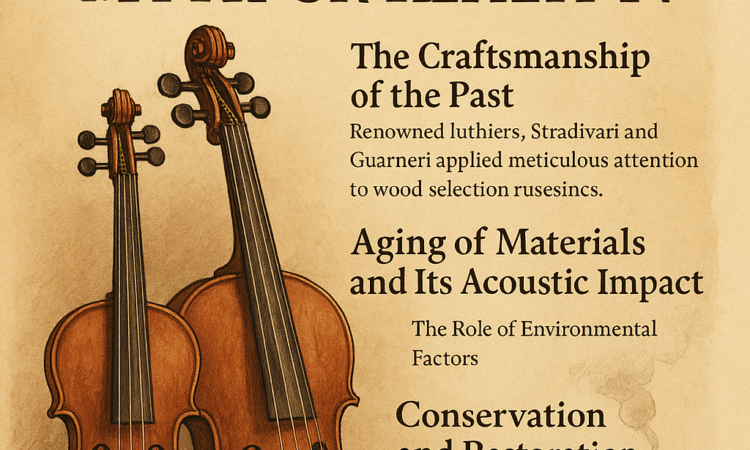
Many antique instruments were handcrafted by renowned luthiers using techniques and materials that are challenging to replicate today. Artisans like Stradivari and Guarneri applied meticulous attention to wood selection, carving, and varnishing. Their instruments often exhibit unique acoustic properties shaped by decades or even centuries of use. The historical value and mastery embodied in these antiques contribute to perceptions of superior sound quality.
Aging of Materials and Its Acoustic Impact
One of the factors contributing to the unique sound of antique instruments is the aging process of the wood and varnish. Over time, the wood’s cellular structure undergoes natural changes, which can affect resonance and responsiveness. Scientific studies suggest that the density and elasticity of aged wood enhance the instrument’s tonal richness and projection. However, this phenomenon varies depending on the preservation conditions and the specific materials used.
The Role of Environmental Factors
Temperature, humidity, and overall climate exposure play vital roles in how antique instruments age and sound. Controlled humidity, in particular, is essential for preserving wood integrity and preventing cracks that can alter tone. Owners of such instruments often employ specialized humidifiers and care practices to maintain optimal conditions, which is crucial in realizing the instrument’s full acoustic potential.
Conservation and Restoration
Maintaining the sound quality of antique instruments involves careful conservation and, when necessary, expert restoration. Specialists in antique cello restoration meticulously work to preserve the instrument’s original character while improving playability. This balance is essential to prevent degradation and to sustain the unique tonal qualities that define antique instruments.
Organizations like K&IMC are well-regarded trusted experts in maintaining and restoring antique instruments, combining traditional methods with modern scientific understanding to extend the lifespan and sonic excellence of these priceless musical pieces.